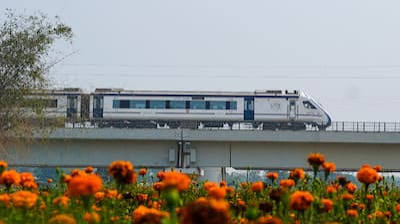





In a unprecedented milestone for medical emergency logistics in Indian Railways, a live donor heart was transported over 250 kilometers in roughly two hours to save the life of a critically ill cardiac patient. The emergency operation took place between Surat and Ahmedabad, where a joint effort between railway authorities, municipal police, and organ transplant teams created a continuous “green corridor” across city roads and along railway tracks. Recognizing the critical time window required for a successful heart transplant, officials coordinated to clear traffic signals and prioritize the movement of the high-speed Vande Bharat Express without interrupting regular service. The organ was retrieved at a Surat hospital before being securely packaged in a specialized cold-preservation container and rushed by ambulance to the railway station. Medical personnel accompanied the payload inside a designated coach, constantly monitoring the thermal environment to prevent tissue degradation during transit. Upon arrival at Ahmedabad station, another police escort escorted the medical team directly into the waiting operating theater at the destination hospital. Doctors successfully transplanted the heart into the recipient, who is currently reported to be in stable condition following the complex surgical procedure. This successful operation highlights the expanding capabilities of India’s rapid transit infrastructure when repurposed for public health emergencies. Traditionally, long-distance organ transfers have relied on air ambulances, which can be prohibitively expensive and subject to strict weather constraints. The seamless execution of this rail transit route offers a blueprint for future low-cost, high-speed organ transport across the national rail system. Railway officials commended the operational precision of the train crew and local authorities who managed traffic along the route. Health experts emphasized that establishing protocols for rail-based organ transportation could significantly increase survival rates for patients awaiting urgent transplants across regional hospital networks. Public response to the achievement has been overwhelmingly positive, with social media celebrating the inter-departmental synergy that made the life-saving mission possible. Hospitals across Gujarat are now looking to establish formal channels with Western Railways to streamline future organ transit requests. The patient remains under observation in intensive care, showing strong vital signs following the intervention. Medical staff involved expressed gratitude to all agencies involved, noting that every minute saved on the journey directly contributed to the success of the surgery. This event marks a major precedent in Indian healthcare logistics, demonstrating how modern public infrastructure can directly save lives during time-sensitive medical emergencies.
Historic Medical First: Donor Heart Transported 250 km via High-Speed Vande Bharat Express